Rotary Shear Knives vs. Other Knife Types
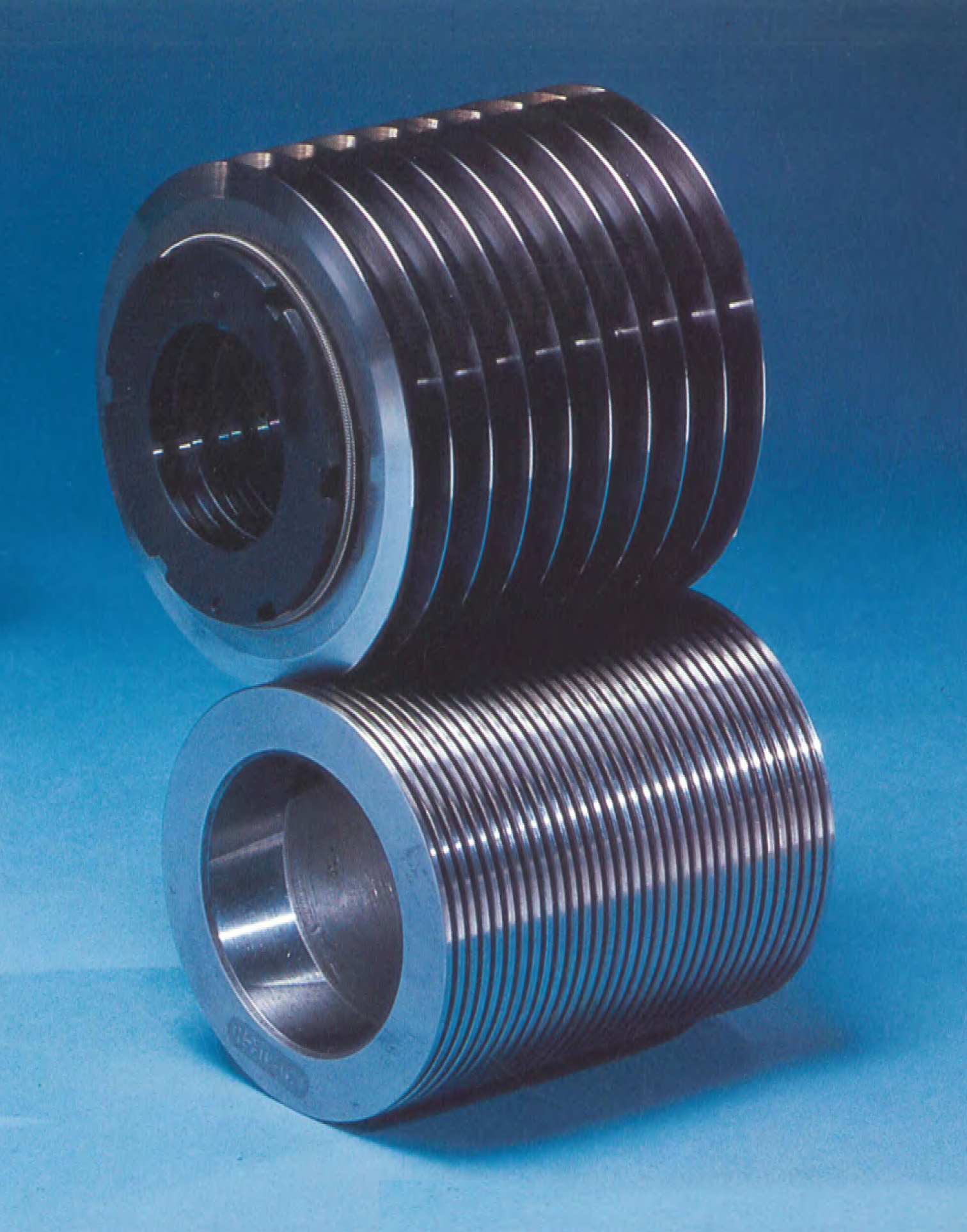
Rotary cutter blades are thin, flat tools that rotate continuously while cutting, making them suitable for speed-cutting and continuous web applications. Guillotine blades feature a straight cutting edge for precise linear cuts on metal sheets and plates through a single-stroke action. Alligator shear blades use a scissor-like cutting motion and are built for cutting scrap metal and irregular pieces.
Understanding the mechanical differences between these types helps in selecting the right tool for each job.
Finding the Right Cutting Solution
Choosing the correct shear cutting system requires evaluating:
- Material type: Thin materials such as tissue, film and nonwovens require top-condition knives and precisely controlled side pressure. Stiff, abrasive or coated webs demand higher side load per knife pair and harder steel grades to maintain cut quality over production runs.
- Material thickness: Thicker substrates require deeper knife engagement and greater overlap between male and female knives, with adjustments based on knife diameter and shaft configuration.
- Production requirements: Operations requiring frequent changeovers can benefit from computerized self-positioning slitting modules, while medium and large shear cutting machines often use pneumatic shear systems with soft-cut engagement to reduce mechanical shock and extend knife service life.
How to Match Blade Specifications to Your Application
Matching blade specifications to an application starts with understanding the material being cut and the cutting action required.
Bevel geometry should correspond to substrate characteristics — hollow ground bevels reduce cutting force for delicate or thin materials, while single and long double bevels are suitable for standard and heavy-duty converting.
Steel grade selection follows the hardness and abrasiveness of the material, with harder grades suited to demanding substrates and standard tool steels appropriate for film, paper and foil applications. Knife diameter, width and thickness must also match the machine’s shaft configuration, slit width requirements and control systems.
Our engineers work directly with customers to identify the correct specification for every application.
Common Industrial Applications
Circular shear slitting systems have a wide range of applications, such as:
- Flexible packaging converting: Produce rolls of precise widths for pouches, wraps and bag stock.
- Paper and printing: Slit large parent rolls into finished widths for commercial printing and office paper production.
- Label and tape converting: Cut narrow-width, precision strips for pressure-sensitive products where edge quality directly affects performance.
- Abrasives and industrial materials manufacturing: Cut and process coated and reinforced substrates for grinding, sanding and specialty end uses.
- Nonwoven and hygiene products manufacturing: Process fiber-based webs for medical, hygiene and industrial end uses.